
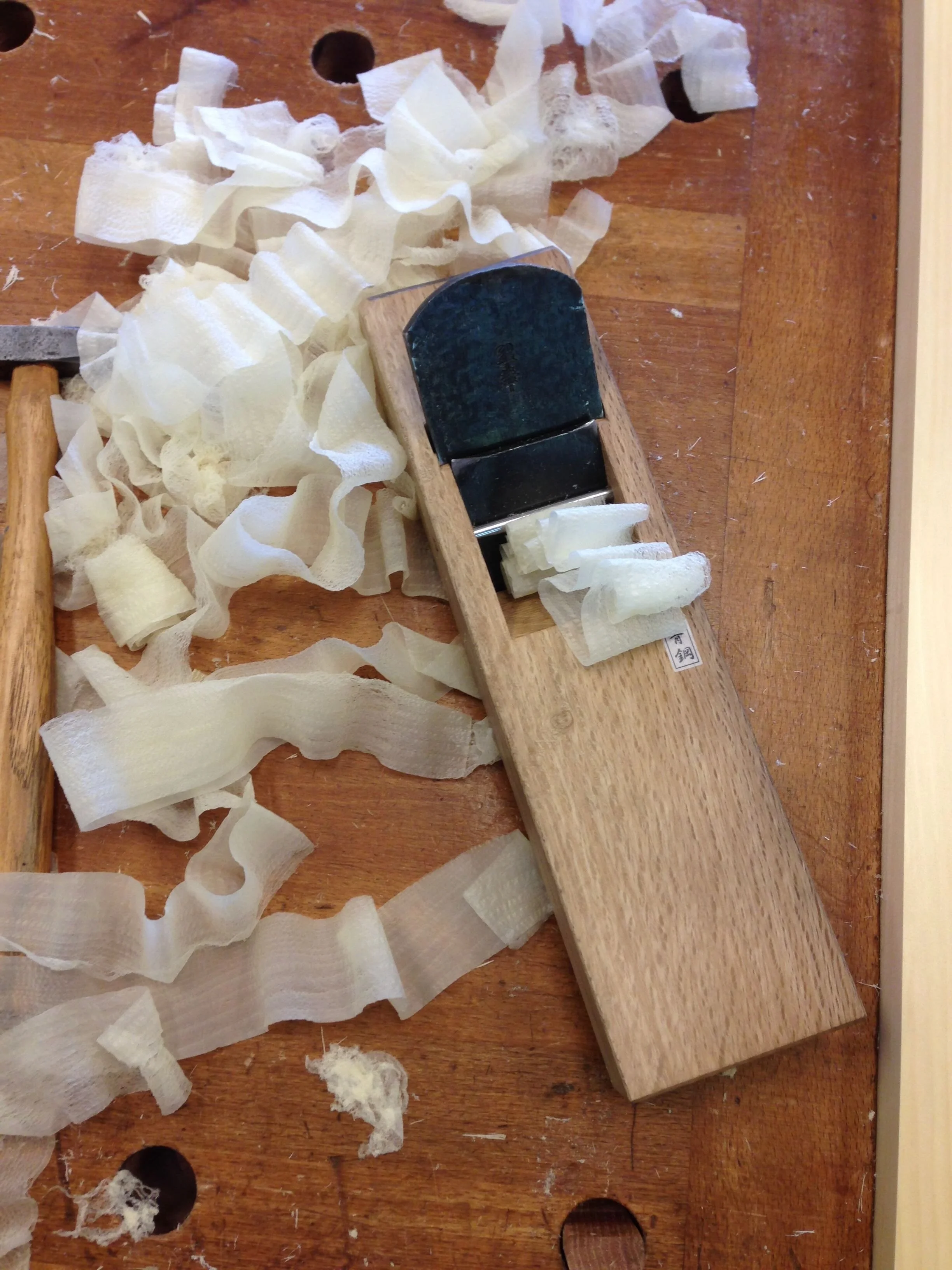
Make Your Own Japanese Plane
2 Days, Some Skills Required
Summer 2026
August 22-23
Class size: 12
Cost: $450
Materials: $60
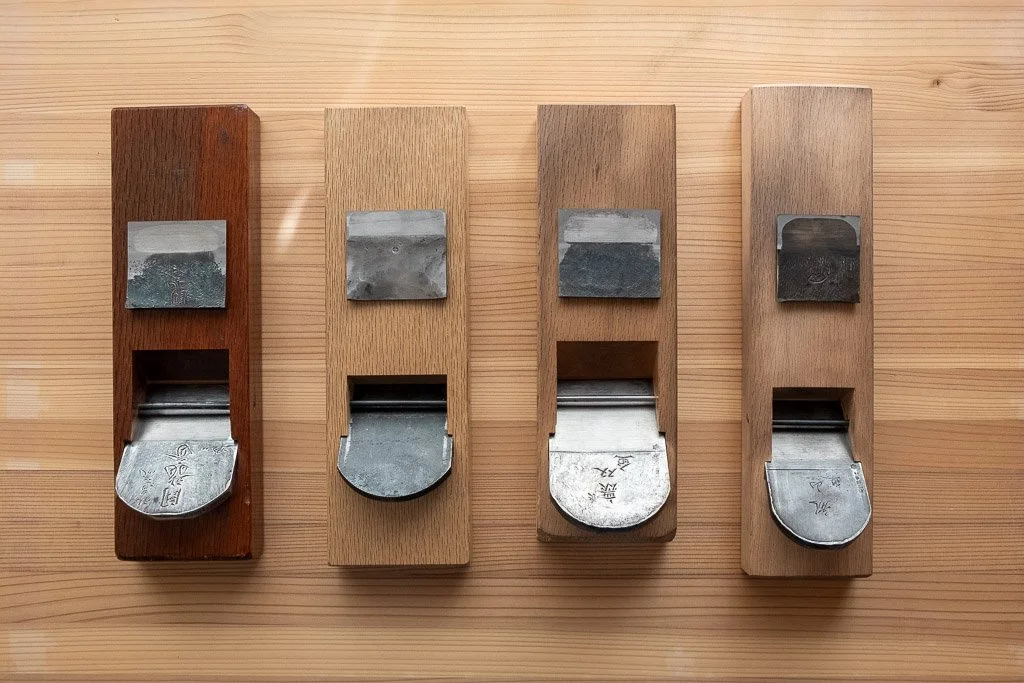
One of the joys of Japanese planes is the ability to cut and fit your own dai (plane body), truly making the tool unique and personal. Whether you have a kanna with a dai in poor condition or a loose blade, cutting a new dai can give new life to the tool, while also allowing you to take full control over the fit and finish.
In this class, students will learn how to cut a new kanna dai for an existing blade. Each student will start by cutting a dai using practice material, giving everyone the ability to experience the full process of laying out and cutting a dai before cutting into a precious piece of Japanese oak.
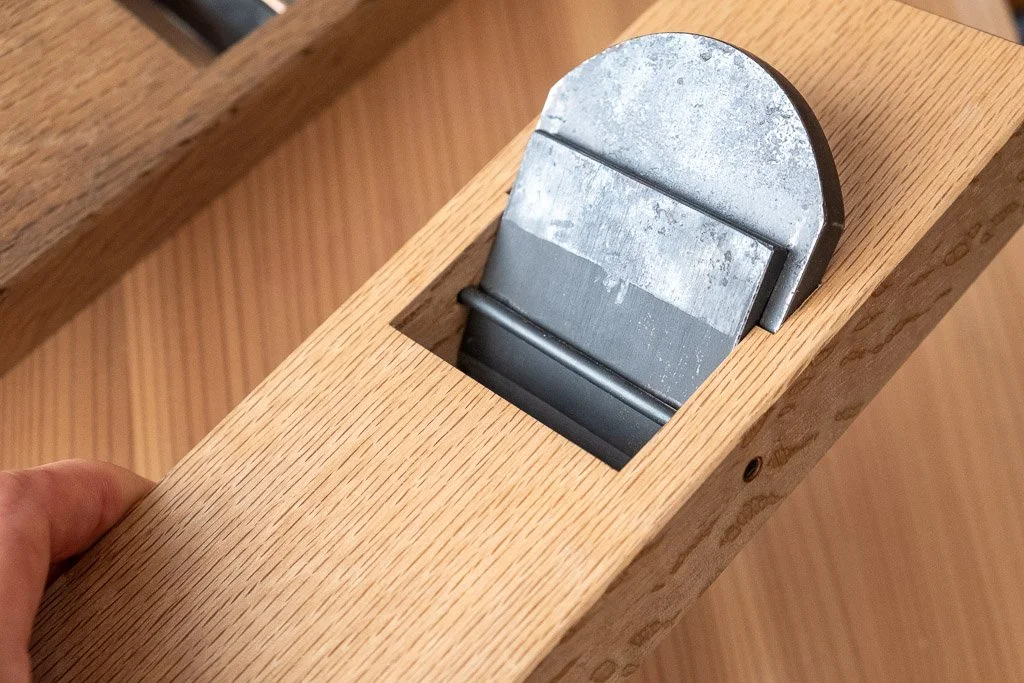
Students will learn the standard cutting angles and techniques for laying out and cutting a dai by hand. We will also cover the chipbreaker and how to drill and fit a pin for securing the chipbreaker.
Tools
Required
At least one kanna blade, which is set up (sharpened) and ready for fitting to a new dai (Preferably a blade in the 55mm - 70mm range)
Combination, machinist square, or sashigane
Sliding bevel
Chisels - 3mm, 12mm, and at least one wide chisel (18-24mm recommended)(For the 3mm, does not need to be a Japanese chisel, you could also bring a less expensive western ⅛” chisel)
Hammer
Recommended
Handsaw
Specialty dai cutting saw highly recommended (the Mitsukawa dai cutting saw is the gold standard, but the school will have a few other flush cut saws for shared use).
Prerequisites
Some skills required. As this is only a two-day class, we unfortunately can’t accommodate absolute beginners. Jon will likely talk a bit about kanna sharpening, but chisels will have to be set up, sharpened, and ready to go in advance of the class.
Class Information and Registration
Classes run 9:00 am to 5:00 pm Saturday through Sunday in Building 304 at Fort Worden. Map. Read our What to Expect page for general information about the school and our course Registration Policy. We highly encourage you to sign up for the waitlist if the course is full.