
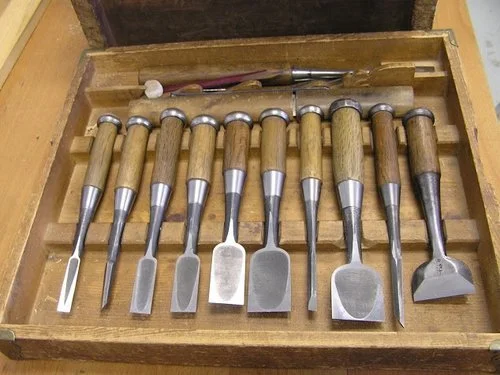
Japanese Tansu Cabinet
15 Days, Some Skills Required
Fall 2026
November 2-20
Class size: 10
Cost: $3,000
Materials: $350
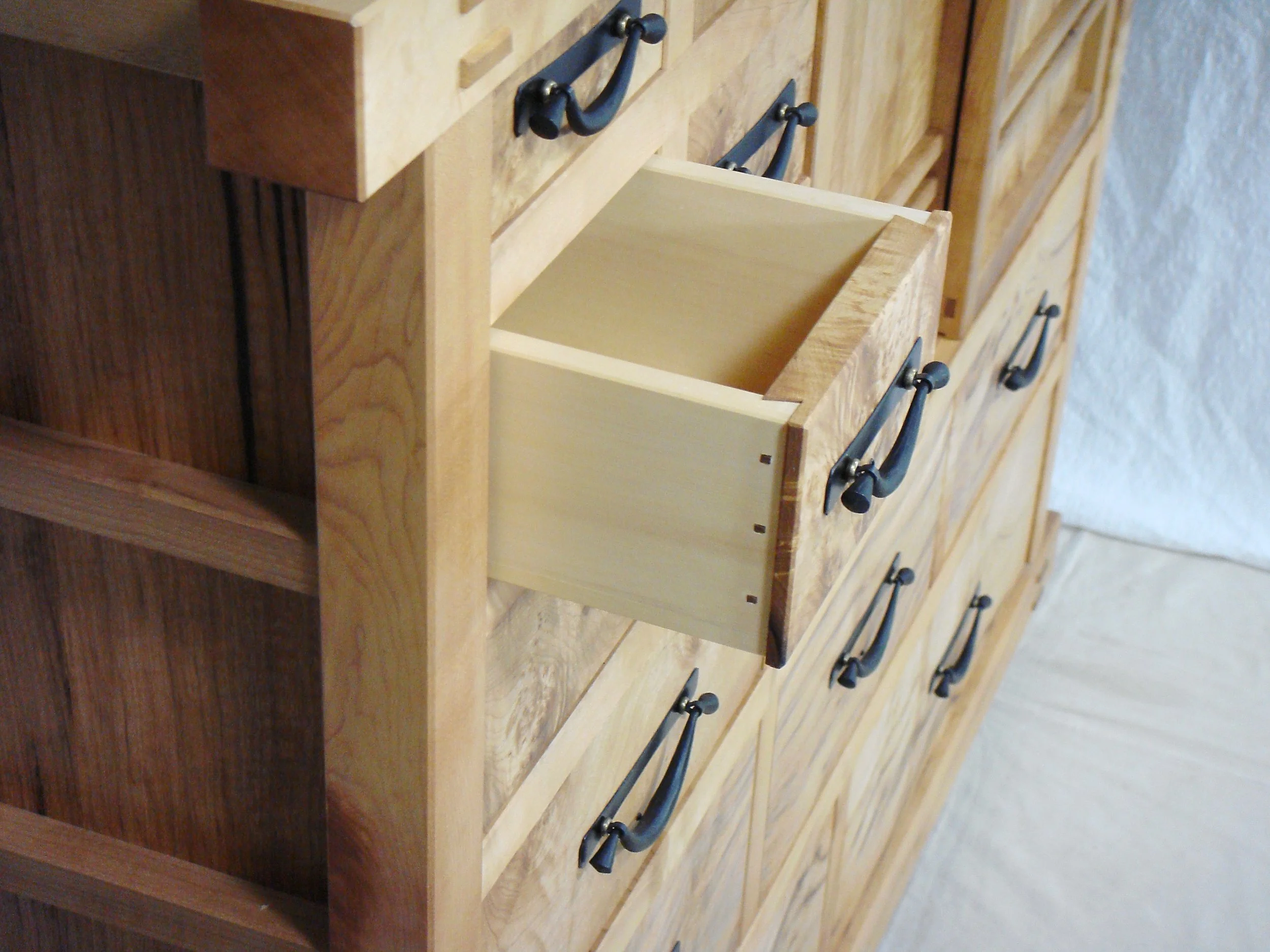
Join us in this unique opportunity that will utilize the tools and skills acquired in the beginner's tool class to create a basic tansu-style cabinet. There will be many details and techniques covered, including cabinet construction, doors, and drawers. All work is to be done with hand tools.
In this three-week-long class, you will be constructing your own chest about 2 ½’ wide by 2 ½’ tall. It will be of frame and panel construction, a timeless method rooted in an understanding of wood movement. The doors will slide in wood groove tracks. The drawers will slide on wood glides. The learning is hands-on, step-by-step instruction.
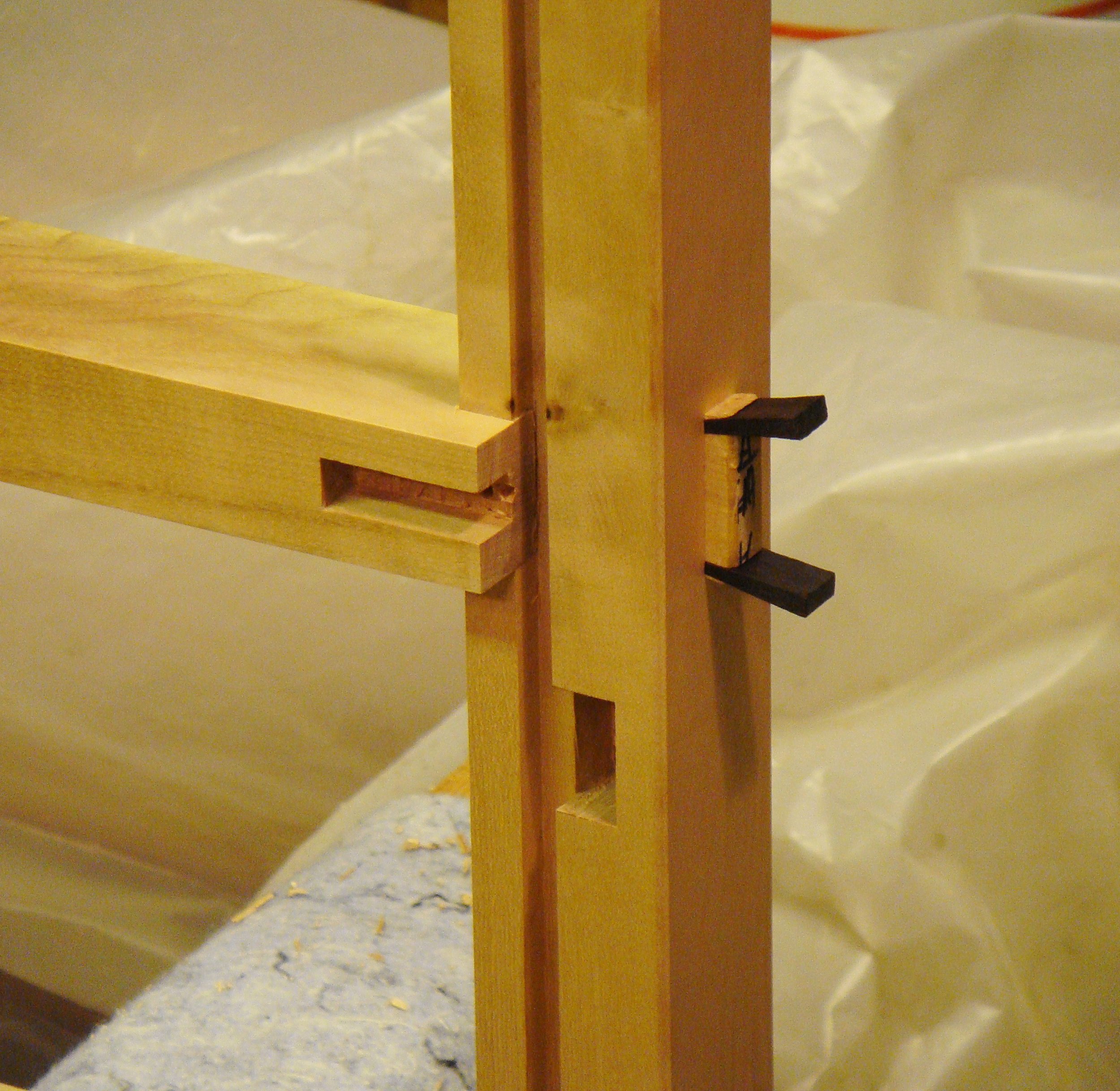
We'll start with reviewing what a tansu is; its history, development, and style variations. Then move into our specific project. Materials will be provided already milled to the proper dimensions. We’ll discuss the design and its nuances along with the overall procedure. All of the cuts and connecting joints are laid out first. Joints are cut with chisels, hand saws, and planes. Panel lapping and fitting will be executed with rabbet planes and grooves cut with grooving planes. The components are then finished and planed to remove marks in preparation for assembly. The frame will be assembled with joints, wedged, and pinned.
After the main body is assembled, measurements are taken, and work begins on doors and drawers. Door frames are mortise and tenoned. Drawer sides are finger-jointed and pegged with bamboo nails. Crucial steps will include reviews of various alternative methods for you to consider on future projects.
There will be a wealth of information presented that has until now been only sparsely available here in the States. Please bring your tools sharpened and ready to work. Please carefully review the required tool list and feel free to email us with questions.
While we believe this three-week class will provide enough time for the completion of your project, some finishing work may be necessary at home. This will depend on individual students' experience level, tool readiness, hand skills, and overall pace. We encourage safe working practices and will not push or rush anyone to work faster than is appropriate. Good work takes time. Come immerse yourself in a collaborative learning environment where we can celebrate the small wins, as well as the big ones.
Tools
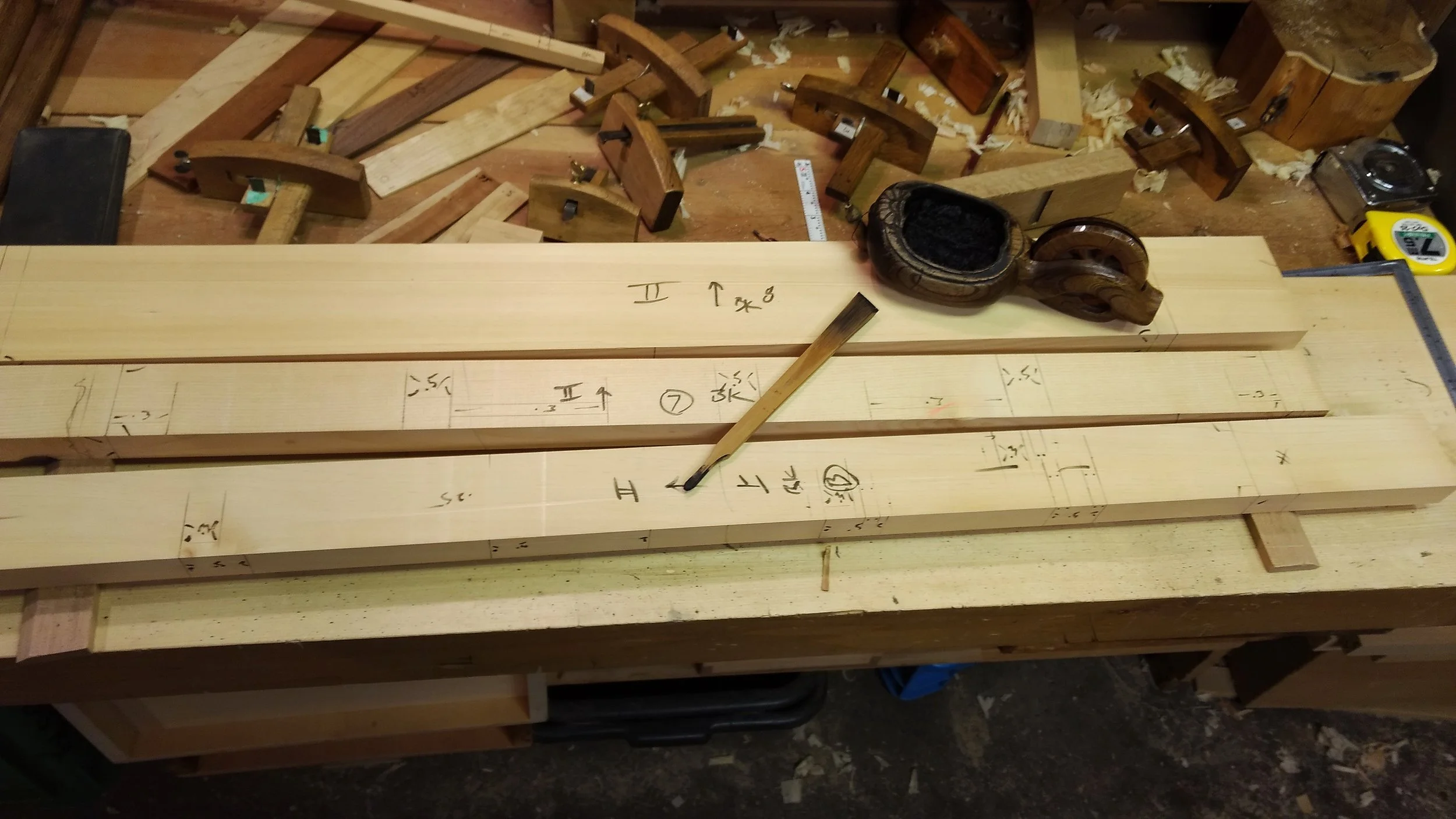
Required:
Please see the attached tool list and student greeting from Dale.
Prerequisites
Completion of the basic tool class immediately preceding this, or one of Dale's or Yann’s previous classes, or equivalent experience. You will be required to apply and outline your experience before you can register. If you have questions about whether or not this course is a good fit for you, please don’t hesitate to reach out to info@ptwoodschoool.org.
Course Information and Registration
This class will include instruction and classroom time Monday through Friday, with typical hours running from 9am - 5pm. It also includes weekend access for the two weekends in the middle, where students are welcome to come into the shops and work independently on their projects or any tool maintenance that may be needed. No instruction during these weekends.
Classes run 9:00 am to 5:00 pm Monday through Friday in Building 304 at Fort Worden. Map. Read our What to Expect page for general information about the school and our course Registration Policy. We highly encourage you to sign up for the waitlist if the course is full.
Japanese Carpentry
Seattle, WA